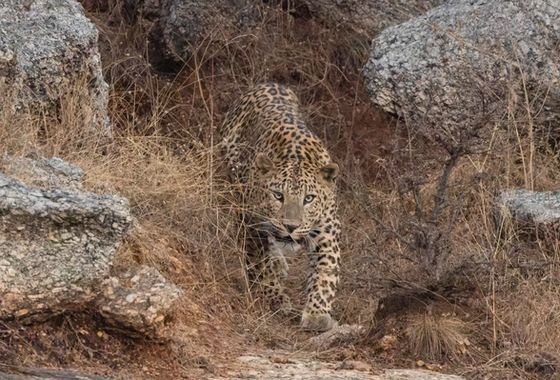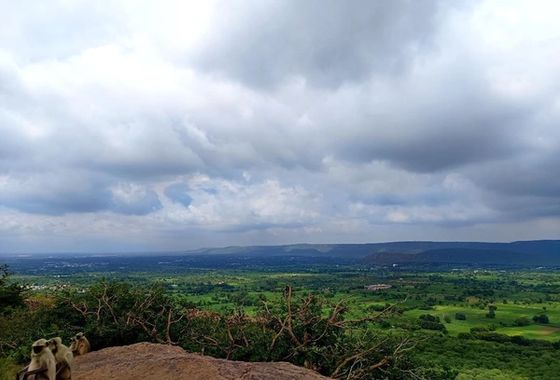
Say Jawai and most people picture a leopard on a granite boulder. Say it to a birder and you'll get a different reaction — the Jawai dam is one of the more productive wetland stops in this part of Rajasthan, and in winter it draws birdlife that has no interest in the surrounding rocks at all. It's worth building at least one slow, unhurried outing around the water into your trip, separate from the leopard drives.
A working dam that became a habitat
The reservoir was built for irrigation, not wildlife, and that's part of why it works so well as a habitat — a large, shallow-edged body of water sitting in an otherwise dry landscape acts like a magnet. Exposed mudflats, reed-lined margins and open water side by side give wading birds, diving birds and grazing waterfowl all the conditions they need within the same stretch of shoreline.
The winter arrivals
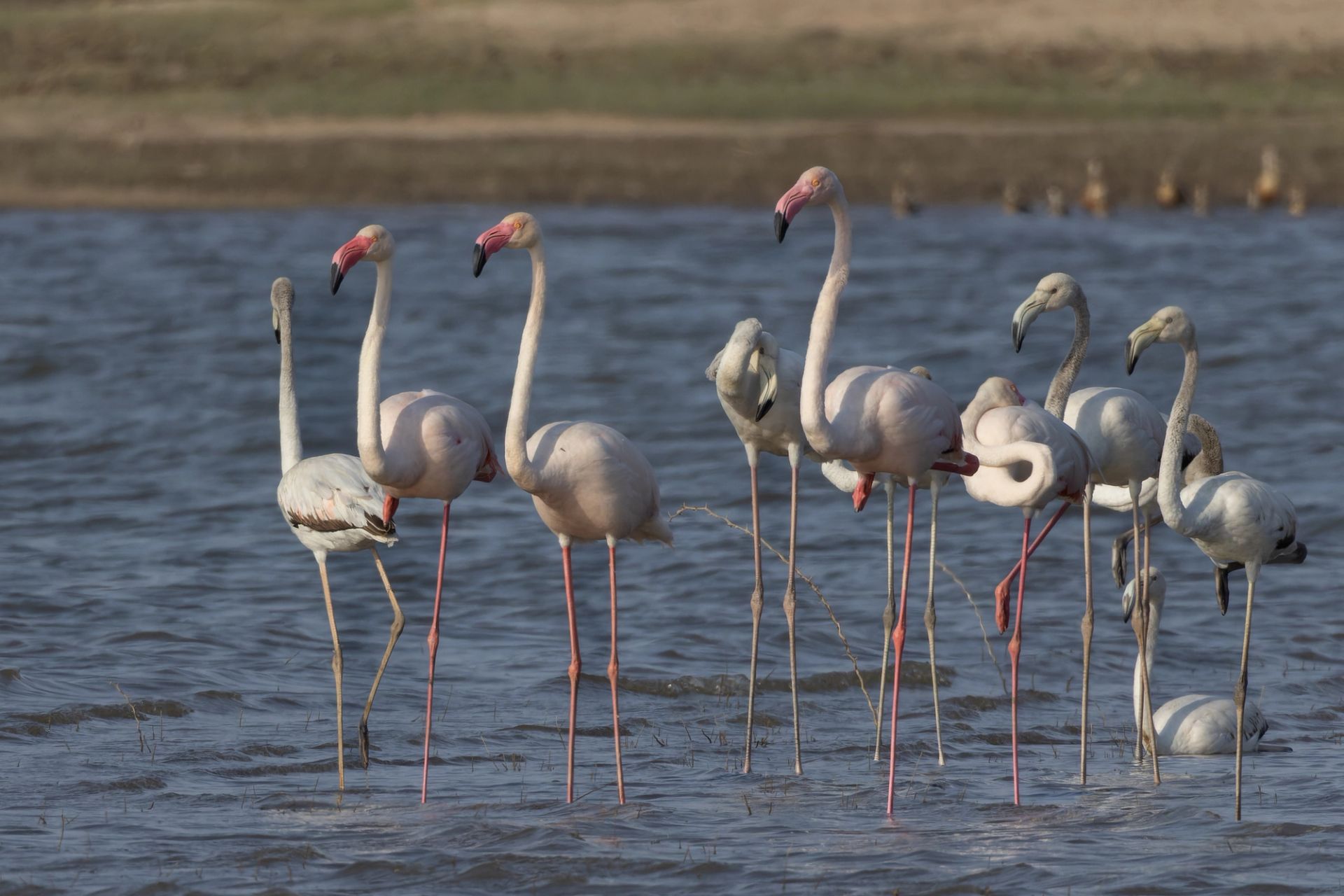
From November through February the dam fills with migrants. Greater flamingos wade the shallows in loose flocks, pelicans work the open water, and bar-headed geese — among the highest-flying birds on the planet, known to cross the Himalaya on migration — settle on the reservoir in numbers. Ruddy shelduck, demoiselle and other cranes, and a rotating cast of ducks round out the winter list. None of this is guaranteed on any single visit, but the season is reliable even when individual sightings aren't.
Residents that don't leave
Not everything at Jawai is seasonal. Painted storks and spoonbills work the shallows through much of the year, sarus cranes are a resident possibility rather than a winter-only one, and the granite crevices around the dam host their own cast — laggar falcons, black-winged kites, and Indian eagle owls tucked into rock ledges by day. Well over a hundred species have been recorded around Jawai in total, which says more about the range of habitat packed into a small area than about any single spectacular sighting.
Our advice
Don't treat birding as a consolation activity squeezed into a leopard drive. Ask your camp for a dedicated slow pass along the dam's edge in the first hour of light, when the water is calm and the birds are most active — and go in winter if the birdlife is genuinely part of why you're coming, not just a bonus.
Combining birdlife with a leopard safari
Most visitors come to Jawai for the leopards and are pleasantly surprised by the wetland birdlife along the reservoir's edge — the two are easy to combine in a single trip since the habitats sit close together. See our first-timer's leopard safari guide for how to plan both into one itinerary.