
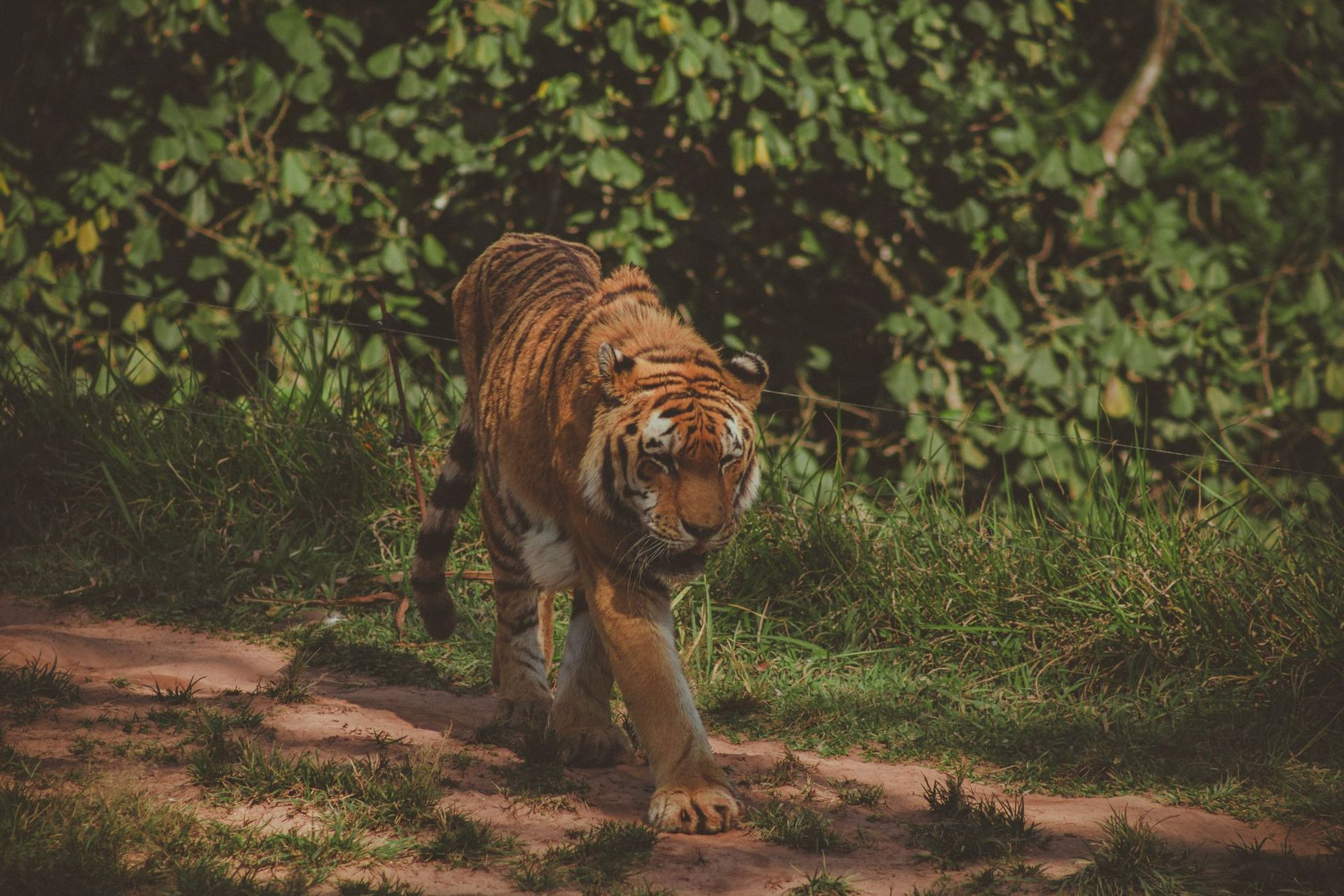
Tiger Territory: Ranthambore
A meditation in motion through one of the densest tiger habitats on earth. Permits are limited — we recommend booking 90 days in advance.
Thank you — we'll get back to you
Your enquiry has reached our planning desk. We'll get back to you on WhatsApp or email within a few hours with a curated safari plan.
1,334 Square Kilometers of Wild Rajasthan
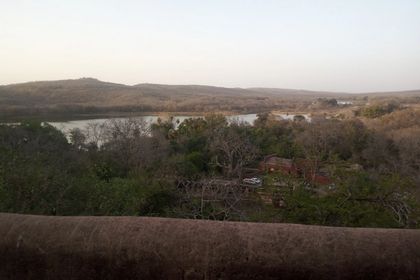
Ranthambore is a mosaic of dry deciduous forest, rocky ravines and shimmering lakes, spread beneath the walls of a thousand-year-old fort — home to one of the highest tiger densities anywhere on earth.
Beyond the tigers, the reserve shelters leopards, sloth bears, marsh crocodiles and rich birdlife, set against some of the most dramatic scenery in India's national park system.
The reserve is split into ten numbered zones, each capped for vehicles and booked as part of your permit — a choice that shapes your odds as much as the season does. Many visitors pair their safari with a half-day at the thousand-year-old fort standing over the core zone, or plan two drives across different zones rather than one, since no single zone or session guarantees a sighting.
What to expect
- ✦4-hour guided safari expedition with expert naturalists
- ✦Open-air jeep accommodating 4–6 passengers for optimal viewing
- ✦Binoculars and field guides provided
- ✦Wildlife sightings database documentation
Who you may meet
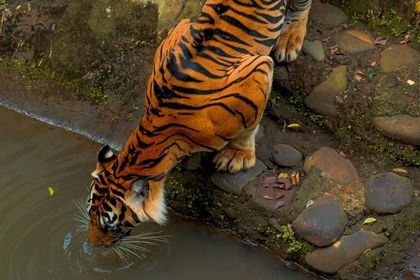
Bengal Tigers
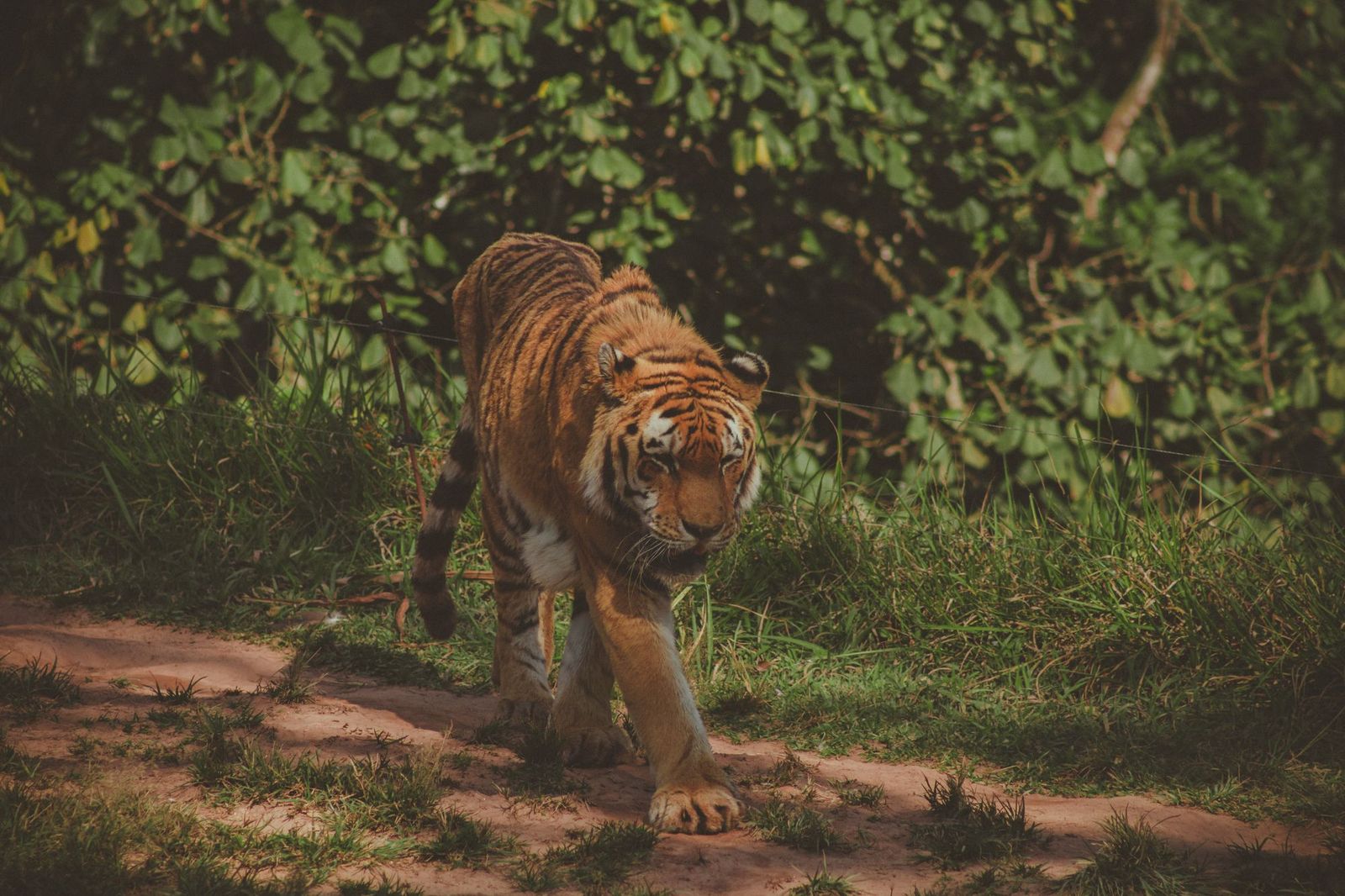
70+The apex predators and hearts of Ranthambore. Silent, powerful, and utterly majestic.
Indian Leopards
40+Elusive and graceful, leopards hunt across the scrublands with feline precision.
Striped Hyenas
RegularThe night's orchestrators, their calls echo through the forest at dusk.
Sambar Deer
500+The largest deer species, frequenting the water sources throughout the reserve.
Chital Deer
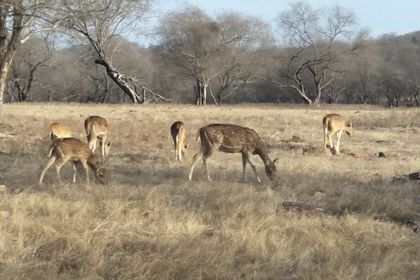
AbundantWith their distinctive spotted coats, they move in herds through the grasslands.
Indian Peacock
WidespreadIridescent and vocal, their calls punctuate the morning and evening air.
Best time to visit
Prime Season
Peak wildlife viewing. Cool mornings, optimal tiger activity. Permits scarce — book 90+ days ahead.
Summer Season
Hot days (40°C+), but increased gathering at water sources. Fewer tourists on the trails.
Monsoon Closure
The reserve closes for breeding and forest regeneration. Plan ahead for these gaps.
What to Bring
- ✦Lightweight, neutral-coloured clothing
- ✦Wide-brimmed hat or cap
- ✦Sunscreen (SPF 50+) and sunglasses
- ✦Binoculars (8x40 or 10x42)
- ✦Camera with telephoto lens (200mm+)
- ✦Lightweight jacket for early mornings
Reserve Rules
- ✦Stay silent during encounters
- ✦No standing in the jeep (except permitted stops)
- ✦Do not litter — leave no trace
- ✦Respect minimum distance from animals (25m)
- ✦No flash photography for sensitive species
- ✦Guides reserve the right to leave for safety
Entry Requirements
- ✦Valid government ID required
- ✦Foreign nationals: passport mandatory
- ✦Permits issued 90 days in advance
- ✦Children under 5 may not be permitted
- ✦Group bookings (4+ people) preferred
- ✦Cancellations 7 days before for refund
Best Practices
- ✦Arrive 15 minutes early at the gate
- ✦Morning safaris: 6:00 – 10:00 AM
- ✦Evening safaris: 3:00 – 7:00 PM
- ✦Hire private guides for best rates
- ✦Track the route before your safari
- ✦Thank your guide — tipping encouraged
Stories from the Wild
Seeing a tiger at dawn, just metres away, was the most transcendent moment of my life.
Our guide was exceptional. His knowledge transformed a safari into an educational pilgrimage.
A perfect escape from the chaos of city life. The golden hours, the encounters — pure magic.
Frequently Asked
What is the success rate for tiger sightings?+–
How many people per jeep?+–
Can I visit alone or do I need a group?+–
Are children allowed on safaris?+–
What happens if I don’t see a tiger?+–
Can I use my smartphone camera?+–
Ready for Your Adventure?
Secure your permit today. Booking 90 days in advance is highly recommended.
Complete Your Booking