
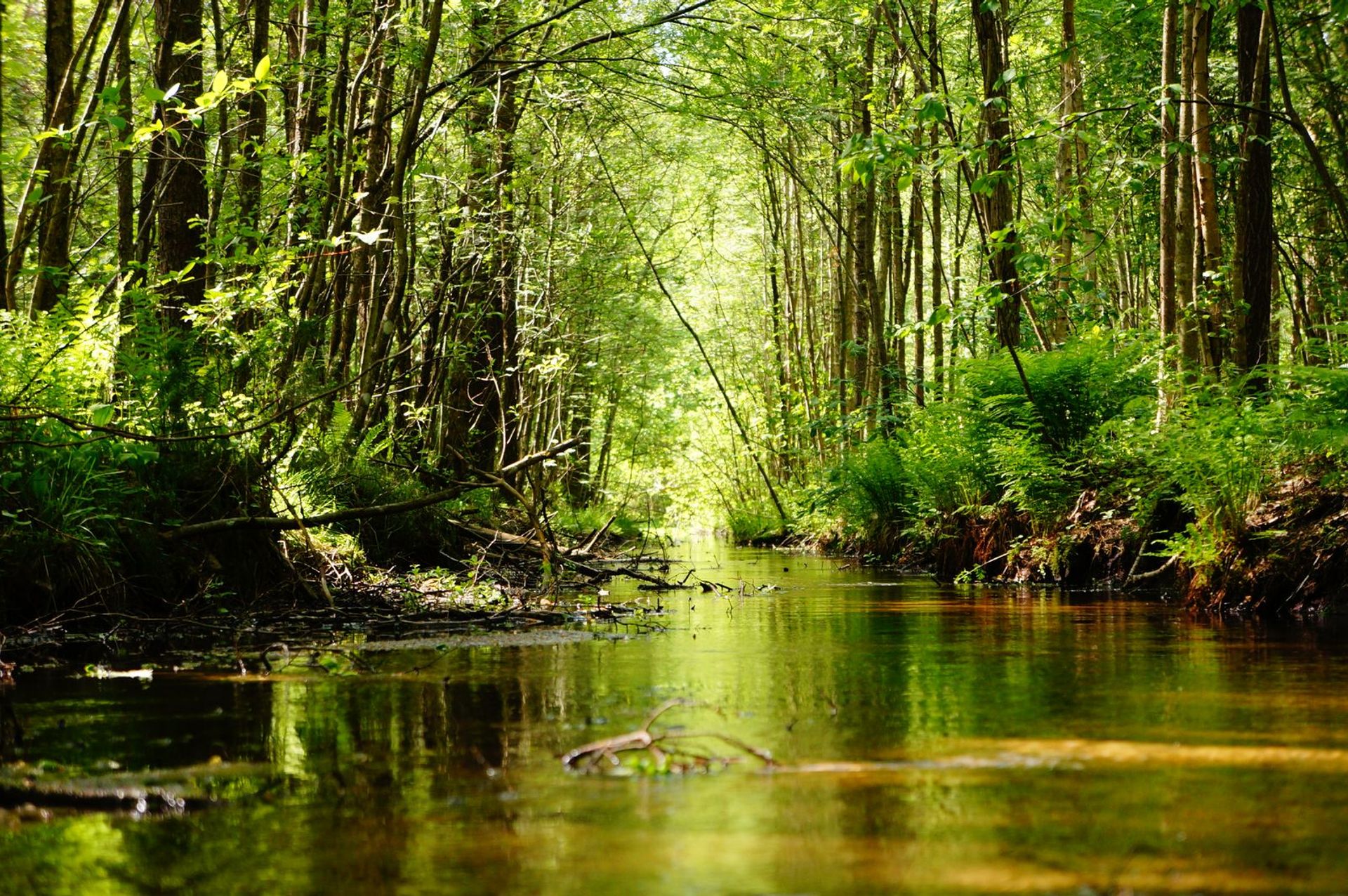
Jim Corbett National Park
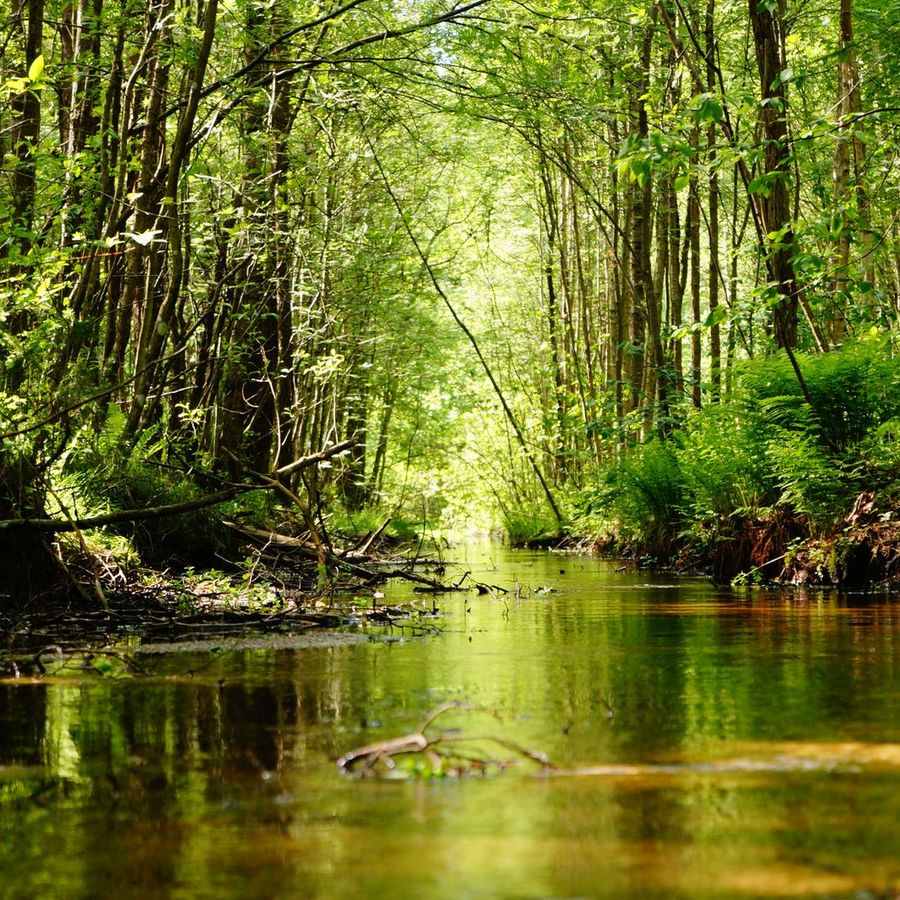
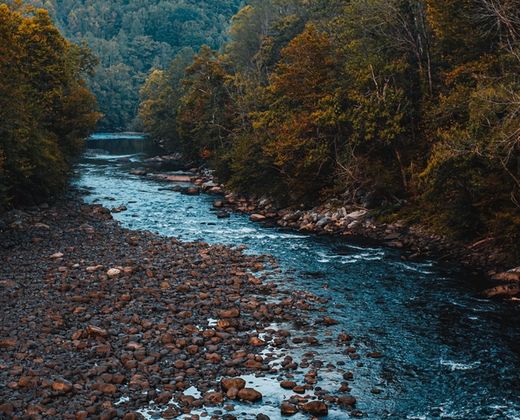
India's oldest national park, cradled in the Himalayan foothills where the Ramganga carves through sal forest and elephant grass.
Thank you — we'll get back to you
Your enquiry has reached our planning desk. We'll get back to you on WhatsApp or email within a few hours with a curated safari plan.
Where conservation was born
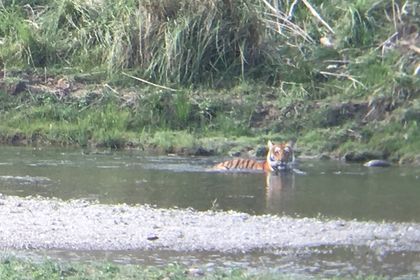
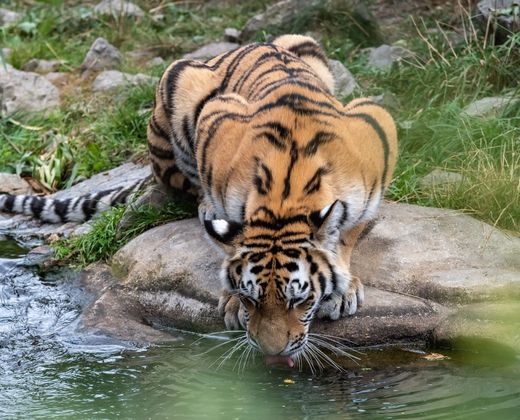
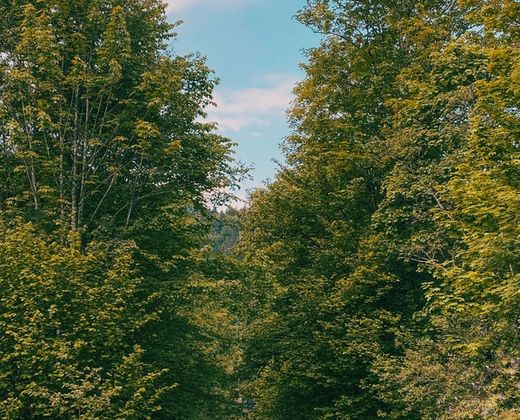
Established in 1936 as Hailey National Park and later renamed for the hunter-turned-conservationist Jim Corbett, this is the birthplace of India's Project Tiger. Spread across roughly 1,288 km² of the Terai, its mosaic of dense sal, grasslands and the meandering Ramganga shelters one of the country's highest tiger densities.
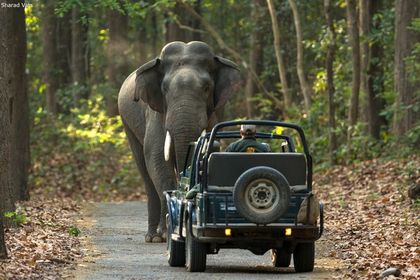
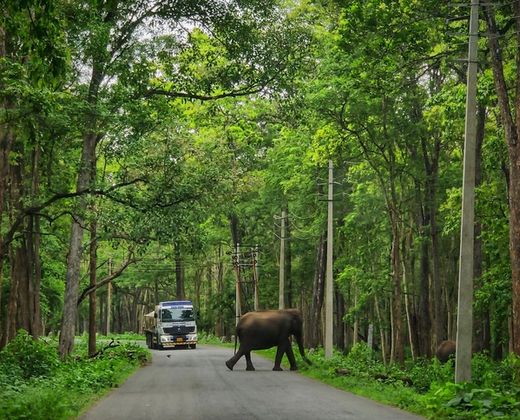
Beyond the tiger, Corbett is famed for its great herds of wild Asian elephants, the rare gharial and the legendary golden mahseer of its rivers — a landscape as storied as it is wild.
Visits here are built around Corbett's distinct zones — Dhikala's core-zone grasslands along the Ramganga, the more accessible Bijrani, and Jhirna, one of the few gates open through the monsoon. Each has its own character and its own permit, so most travellers plan two or three drives across different zones rather than repeating one, pairing dry-season months with the higher elephant and tiger activity that comes as water sources shrink.
A wilderness of firsts
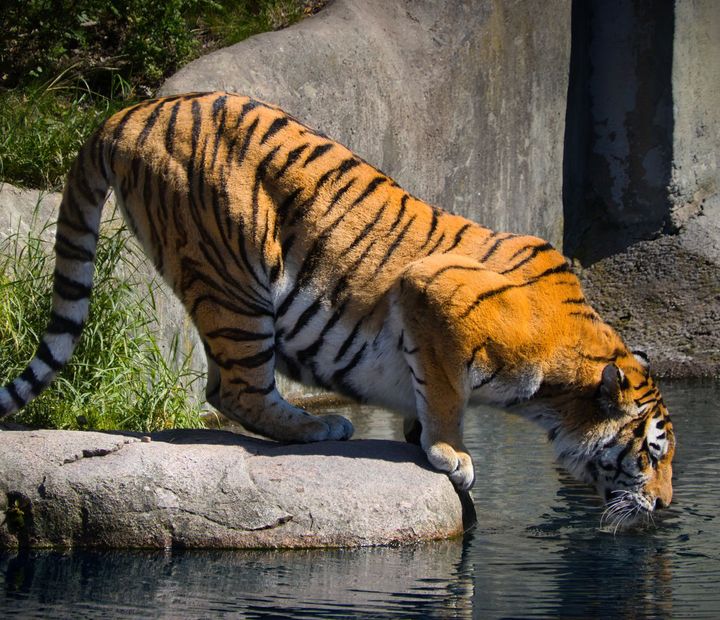
Birthplace of Project Tiger
India's first national park and the cradle of its tiger conservation movement, launched here in 1973.
Wild Elephant Herds
The Dhikala grasslands host some of the largest congregations of wild Asian elephants in the country.
Ramganga & the Mahseer
River, reservoir and ravine shelter gharial, otters and the legendary golden mahseer.
Safari Zones
Each zone offers a distinct landscape & sighting rhythm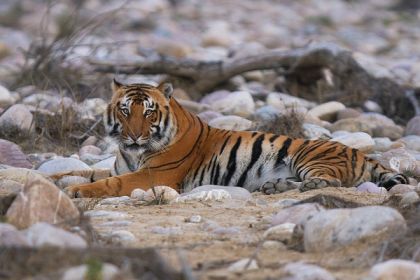
Corbett Packages
Corbett Weekender
Dhikala Immersion
Terai Grand Tour
The Corbett Lens
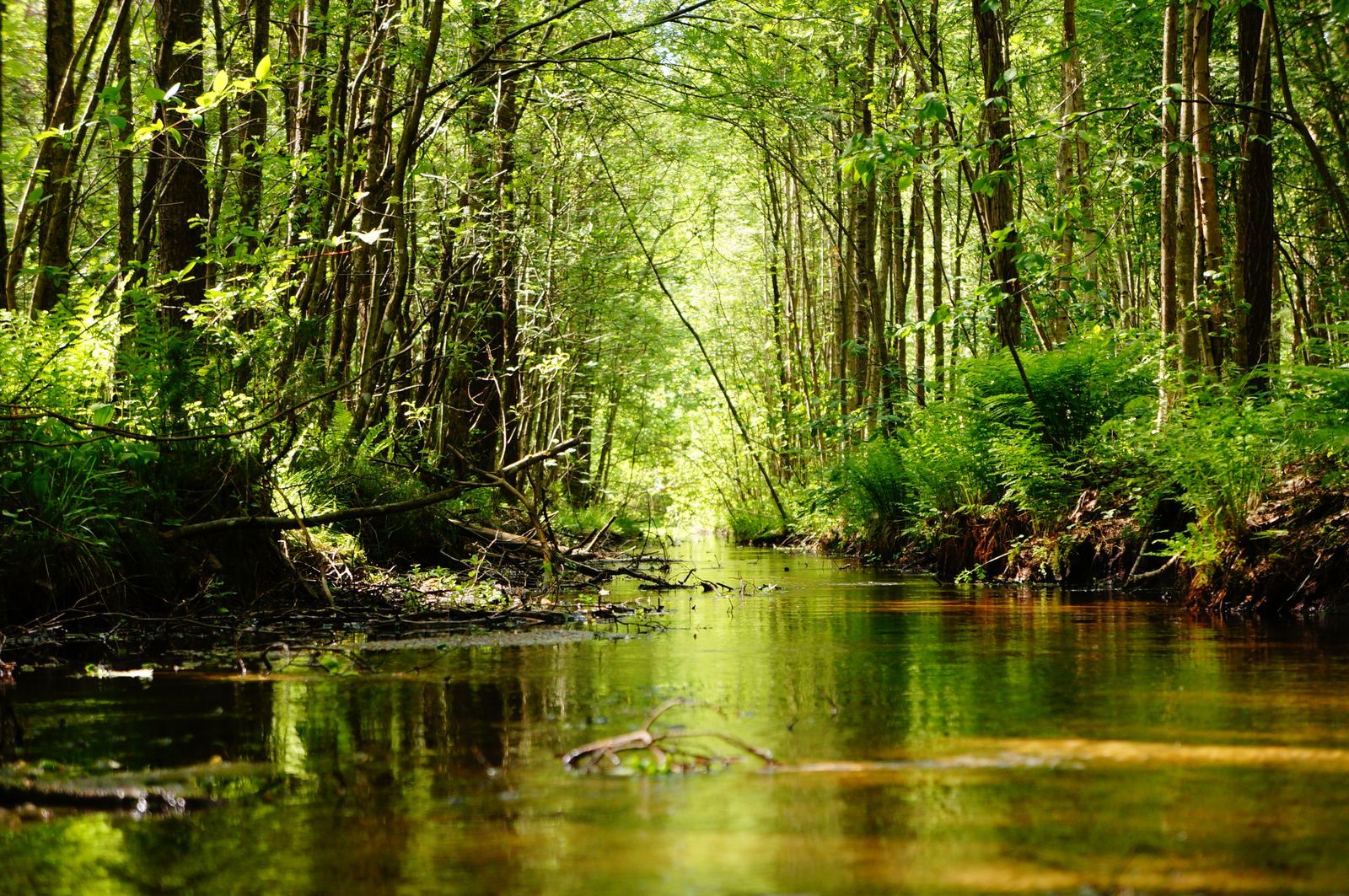
Photographs from the reserve.
Track the tiger in the Terai
Dhikala zone permits sell out months ahead. Let our planners secure your dates.
Complete Your Booking