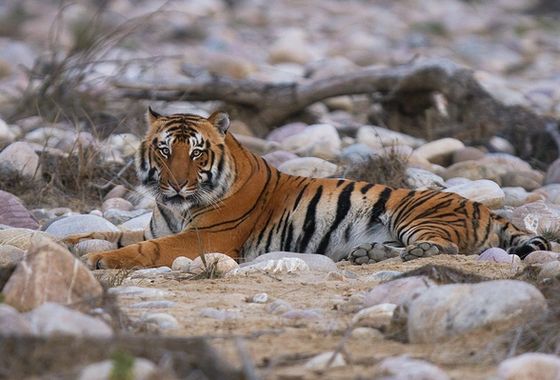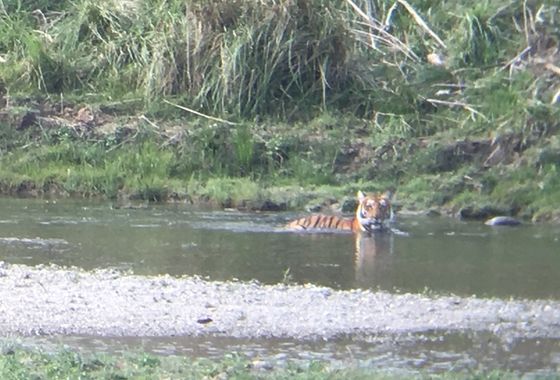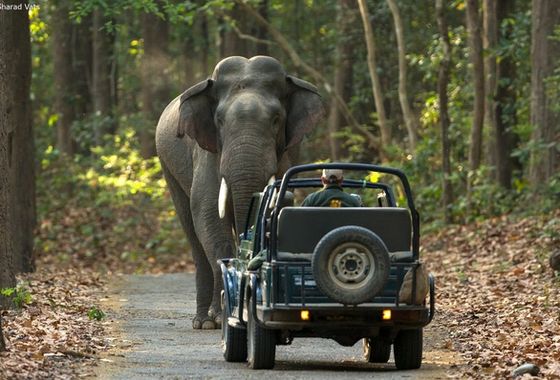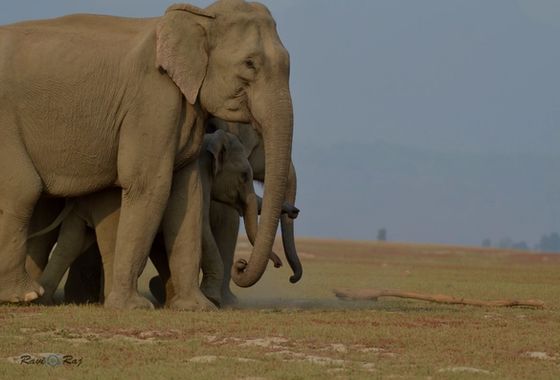
Corbett's logistics are a little more particular than a typical wildlife trip — fixed zones, fixed gates, and a permit system that fills up fast. A little planning up front saves a lot of frustration at the gate.
What to pack
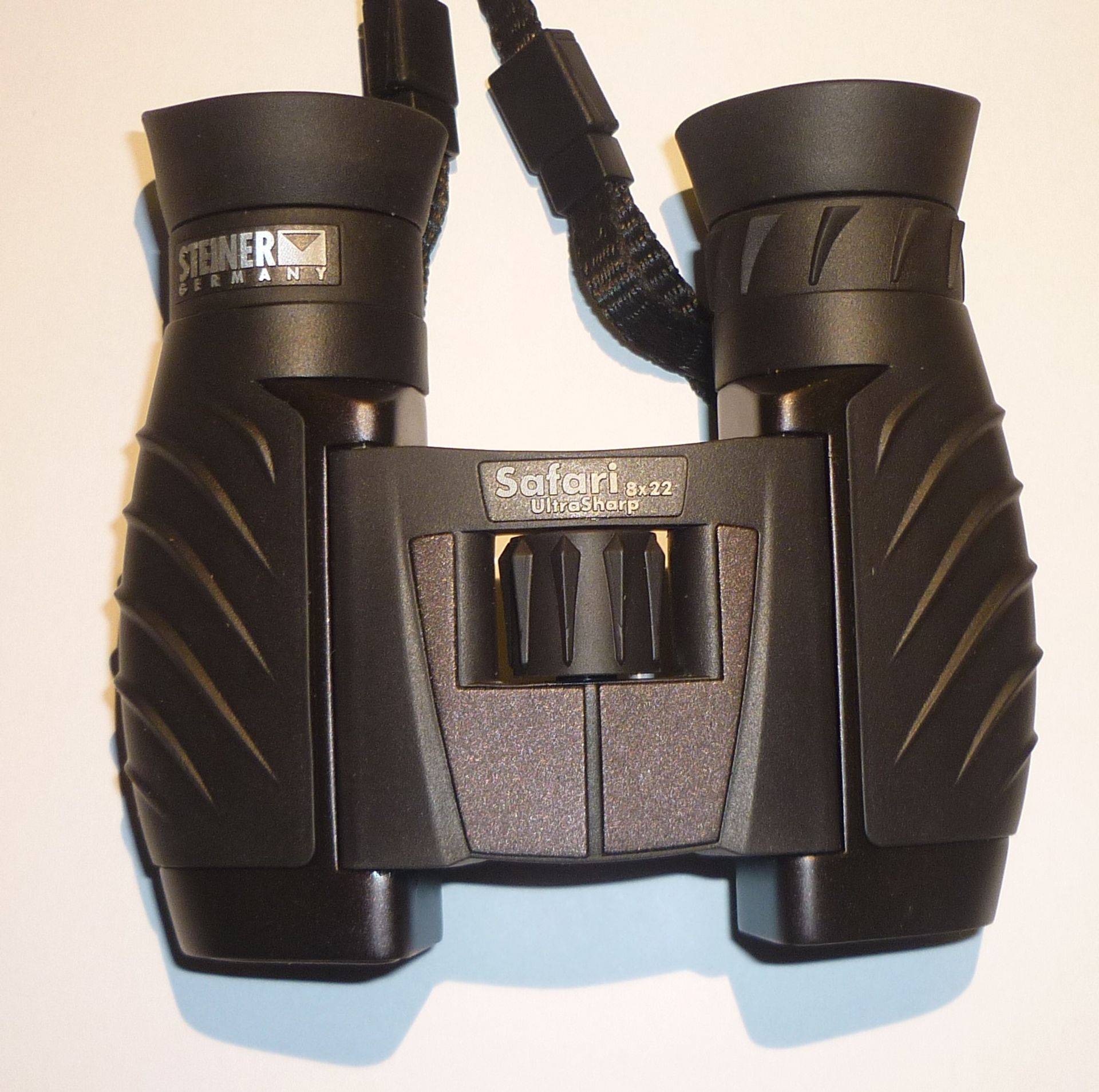
Layer for a big temperature swing: winter mornings in an open jeep can be genuinely cold even when the afternoon turns warm, so bring a proper jacket, gloves and a hat you can shed as the day heats up. Muted colors (khaki, olive, grey) work better than bright ones. Bring binoculars — with a bird list this long and sightings often at distance across grassland, they matter more here than at most parks. A zoom lens if you're serious about photography, dust protection for your gear, sunscreen and a hat for the exposed canter rides, and a refillable water bottle, since plastic waste rules are enforced inside the reserve.
Booking and permits
Zone permits are limited by the forest department and sell out well ahead of peak season, especially for Dhikala and for weekend slots between November and February. Book your zone and vehicle in advance rather than assuming you can arrange it on arrival in Ramnagar — walk-up availability shrinks every year as the park's popularity grows. Note that your permit fixes your zone; you can't switch gates on the day.
At the gate and on the drive
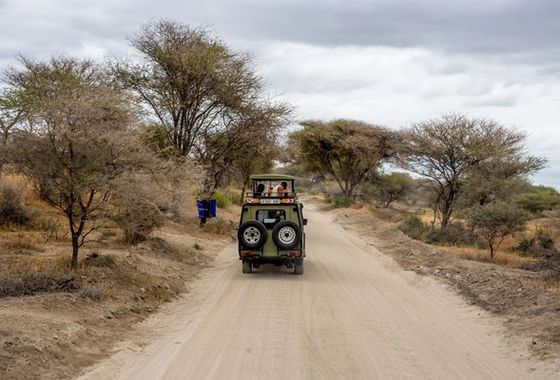
Carry photo ID — it's checked against your permit at the entry gate. Arrive early for the morning shift; gates open before sunrise and latecomers lose safari time they've already paid for. Stay in the vehicle at all times except at designated points, keep noise down, and let your naturalist or driver call the shots on distance from wildlife — Corbett's elephants in particular can be unpredictable at close range. Photography is generally fine, but check current rules on drones, which are restricted inside the reserve.
Our advice
Build in a buffer day. Between permit competition, monsoon-adjacent closures at the shoulder seasons, and Corbett's genuinely large core zone, a single rushed safari is the easiest way to leave disappointed. Two drives across two zones, ideally including one Dhikala session, gives you a far more honest sense of the park than one hurried morning.
Pack differently for Dhikala versus the buffer zones
An overnight stop at Dhikala calls for an overnight bag with a change of clothes and any medication, since it's inside the core zone and not a same-day round trip like Bijrani or Jhirna. If you haven't picked your zone yet, our Corbett zones comparison will help you plan what kind of trip — and what kind of bag — you actually need.