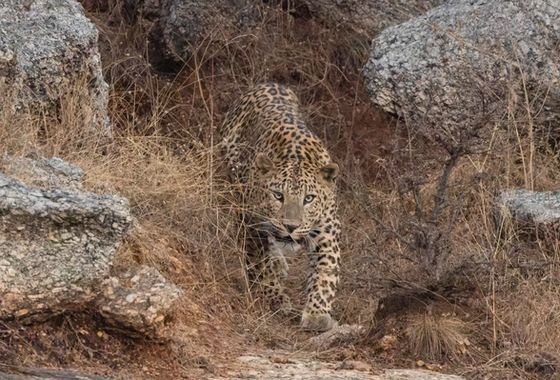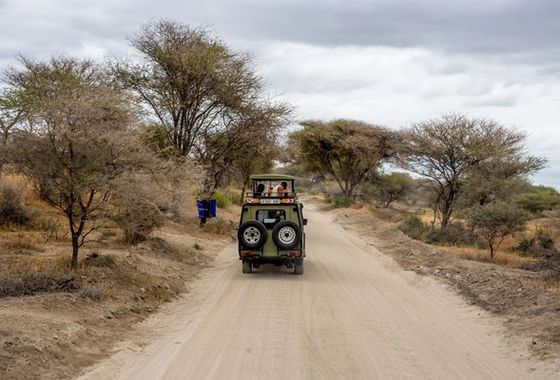
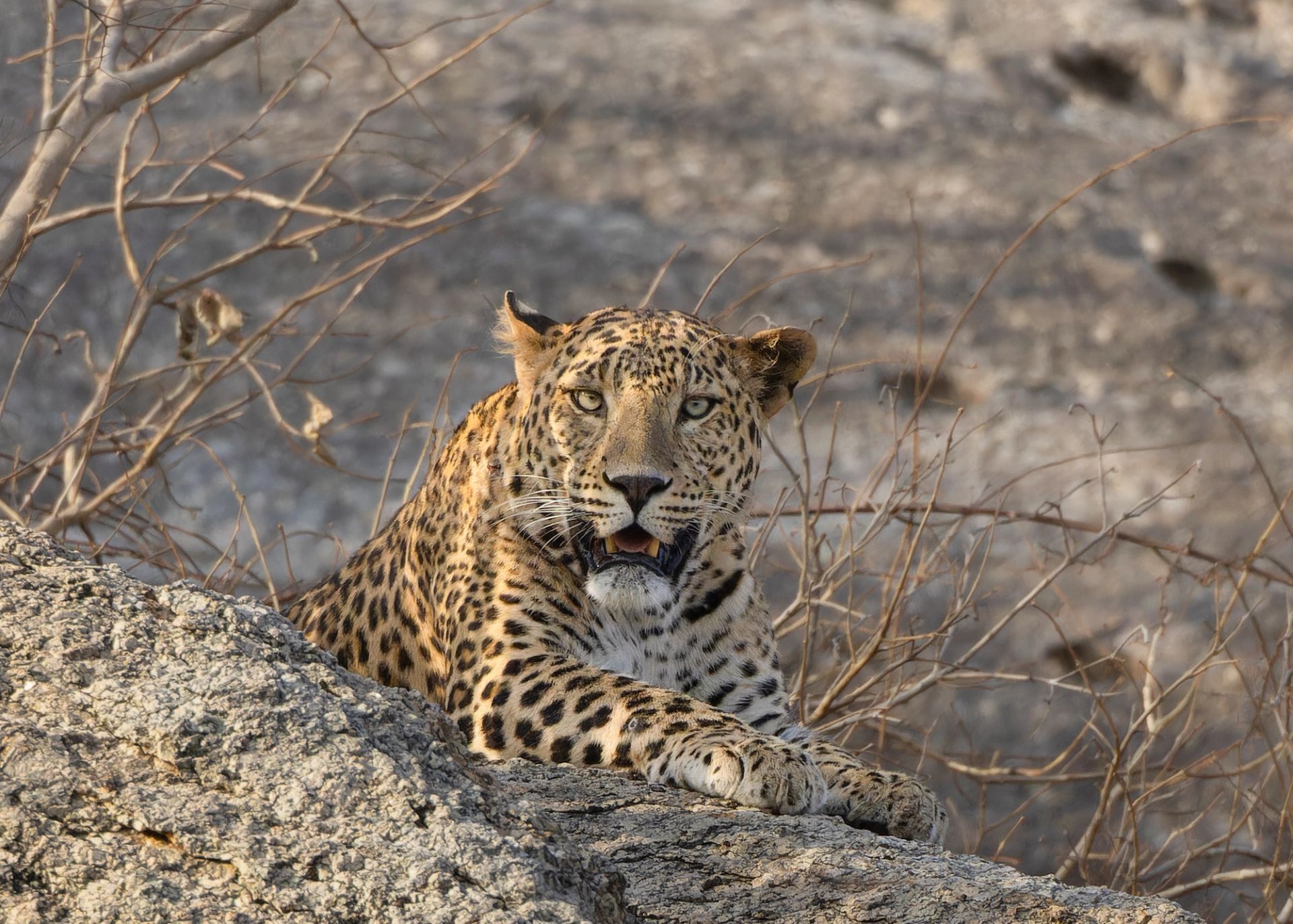
Ranthambore and Corbett close their gates for the monsoon. Jawai doesn't — leopards here den in granite hills, not core forest, so drives run year-round. That said, "open" doesn't mean "same." The season you pick decides whether you're watching a leopard bask in the open or straining to spot one in cover, and whether the dam is loaded with birds or a quiet sheet of water.
Winter (November–February): the classic window
This is peak Jawai. Days are cool and clear, nights genuinely cold, and leopards — like most cats — turn more diurnal, sunning themselves on warm rock faces well after sunrise and before sunset. It's also when the Jawai dam fills with migratory birds, so a single trip covers both headline draws. Expect the busiest camps and the best light for photography. Our advice: this is the season to book first if leopards and birds are equally on your list.
Summer (April–June): heat, but honest heat
Temperatures climb hard, and the scrub around the dam dries out fast. What that does for sightings is straightforward: water becomes scarce outside the reservoir, and every animal in the landscape — leopard, hyena, chinkara — starts orbiting whatever waterholes remain. Drives can be intensely rewarding in short windows around dawn and dusk, with long stretches of stillness in between. It's not a comfortable season, but it's an honest one for anyone who wants to understand why Jawai's wildlife clusters where it does.
Monsoon (July–September): the green Jawai
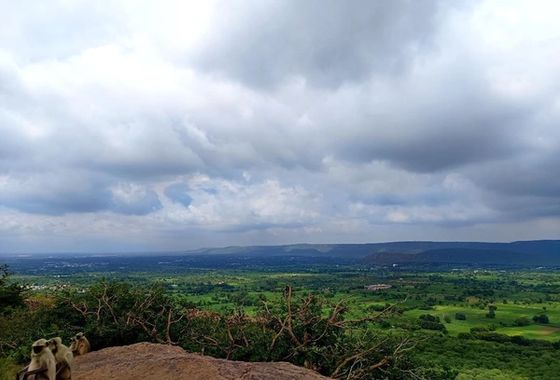
Few visitors see this Jawai, and that's the appeal. The bare granite kopjes that define every classic photo of the region turn green almost overnight, scrub fills in, and the dam rises. Leopards don't disappear, but they have far more cover to disappear into, so sightings get harder and less predictable. What you gain instead is a landscape most people never associate with Rajasthan — lush, humid, dramatic skies — and camps at their emptiest and most relaxed.
Our advice
If leopard sightings are the priority, come in winter and don't compromise on that. If you want the dam's birdlife specifically, the same window works — November through February is when the migrants are actually there. Summer suits travellers chasing drama over comfort. Monsoon suits travellers who've already done the classic safari and want to see Jawai wear a different face.
Packing for Jawai's temperature swings
Jawai's open granite terrain swings hard between a cold pre-dawn start and a hot midday, more so than the denser forest reserves. Our Jawai packing list covers what to layer for whichever season you land on.