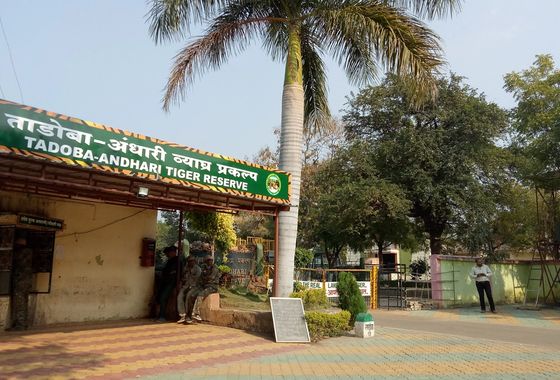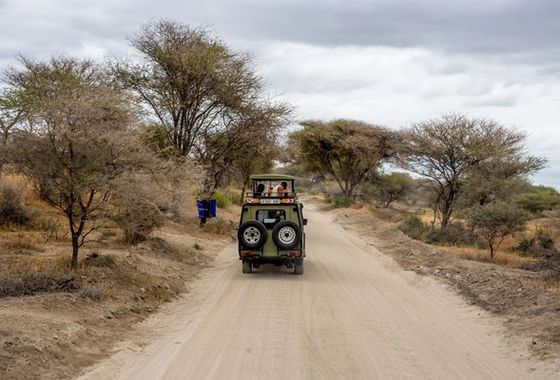
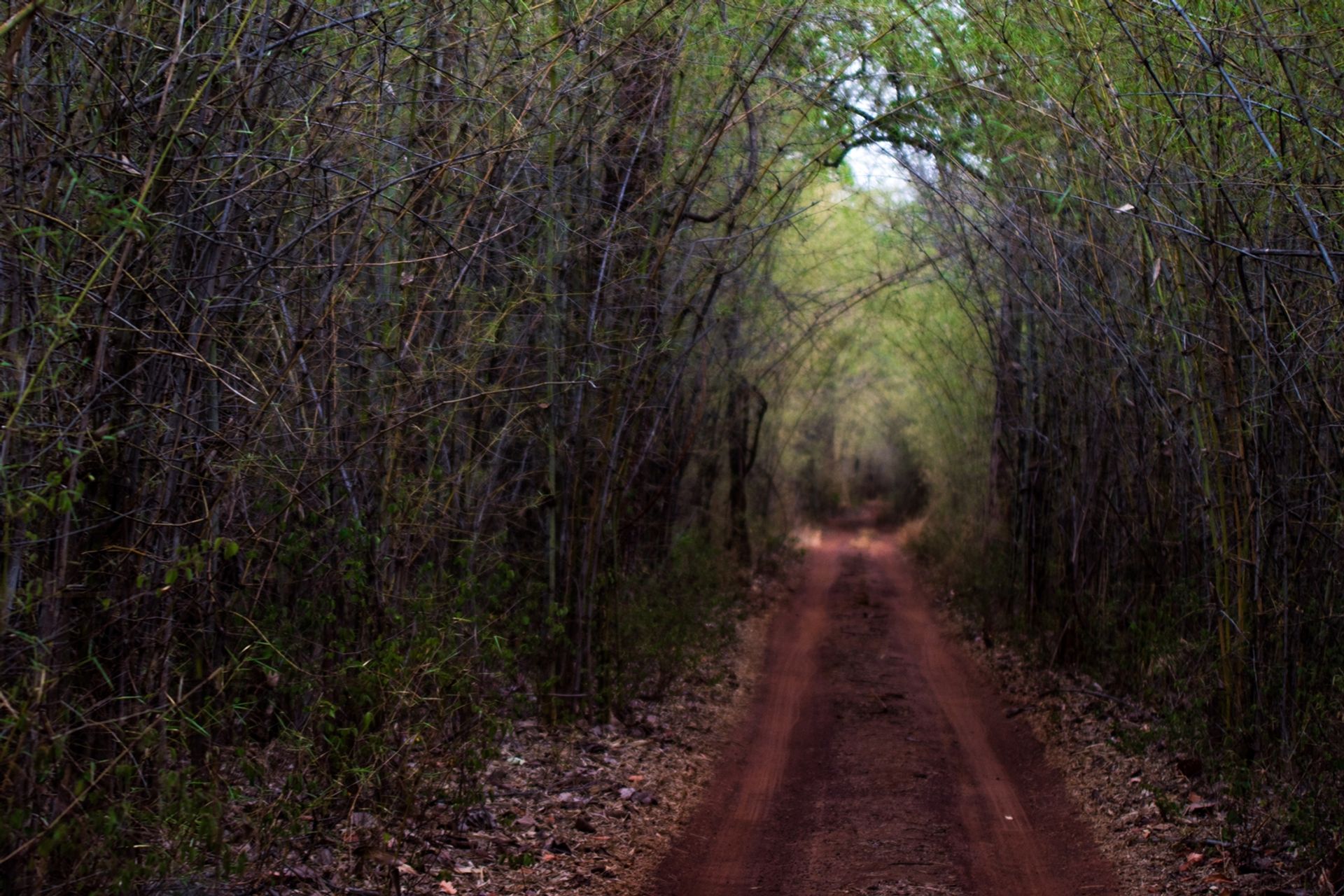
Tadoba takes its name from a local deity, Taru, honoured by the indigenous communities of the area long before it became a protected reserve — legend holds he was a village chief killed in an encounter with a tiger, which gives the park's name a fittingly literal origin. That history is worth knowing before you go, because Tadoba is not an empty wilderness bolted onto Chandrapur district. It's a forest with people woven through its edges, and understanding that changes how you see the drive from your lodge to the gate each morning.
A landscape of dozens of villages
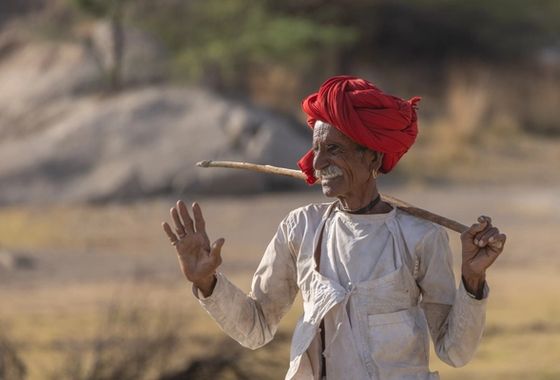
Tens of thousands of people live in and around the reserve, spread across dozens of villages in the buffer zone, with a small number remaining inside the core itself. This is typical of Indian tiger reserves generally, which are ringed by buffer zones precisely because total separation of forest and farmland was never realistic across most of central India's history.
Gond communities and the forest economy
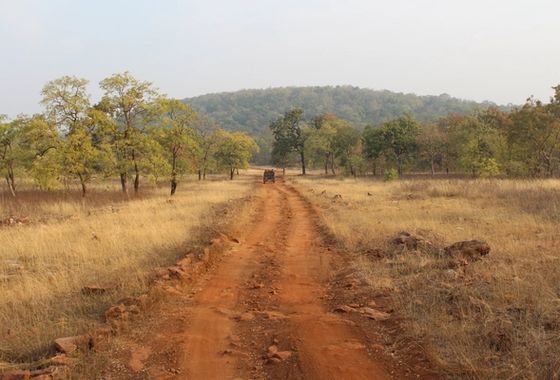
Chandrapur district sits within the historical range of the Gond, one of central India's largest tribal communities, alongside other Adivasi and forest-dependent groups. Traditional forest economies here have long centred on minor forest produce — tendu leaves (used for rolling bidis), mahua flowers, honey and firewood — collected under seasonal rules that predate the tiger reserve itself. Farming and cattle grazing on the buffer's edges continue alongside this, which is exactly why buffer-zone safaris pass working fields as often as untouched forest.
Coexistence has a cost
None of this is romantic by default. Villages bordering tiger habitat deal with real risks — crop damage from wild boar and nilgai, livestock loss to leopards, and occasional dangerous encounters with tigers themselves. Forest departments and conservation programmes increasingly try to offset this through compensation schemes and by channelling tourism income back toward buffer villages, employing local residents as guides, drivers and lodge staff.
Why this matters to you
When you tip your naturalist, buy a snack in a gate-village shop, or hire a local driver, that spending has a real relationship to whether communities see the forest as an asset worth protecting rather than a restriction on their land. Our advice: ask your guide about their village and their work. Most have grown up beside this forest their whole lives, and their perspective is worth more than any guidebook paragraph — including this one.
Visiting with the local context in mind
The villages bordering Tadoba are as much a part of the landscape as the forest itself, and many local guides and drivers come from these communities — a good reason to book through operators who work directly with them. If you're routing your trip from Nagpur, our planning guide covers the practical route and timing.