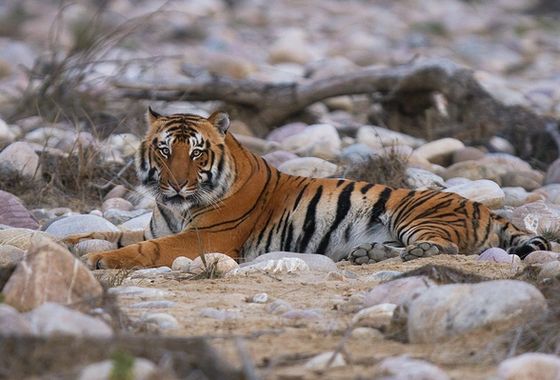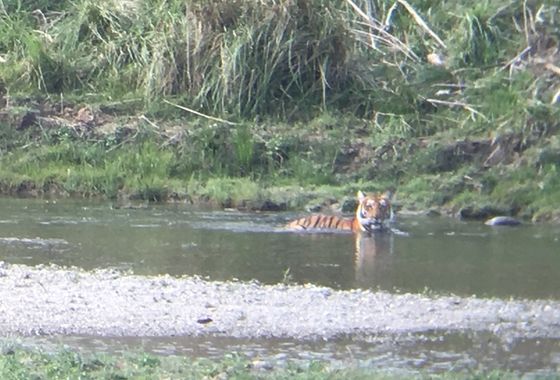
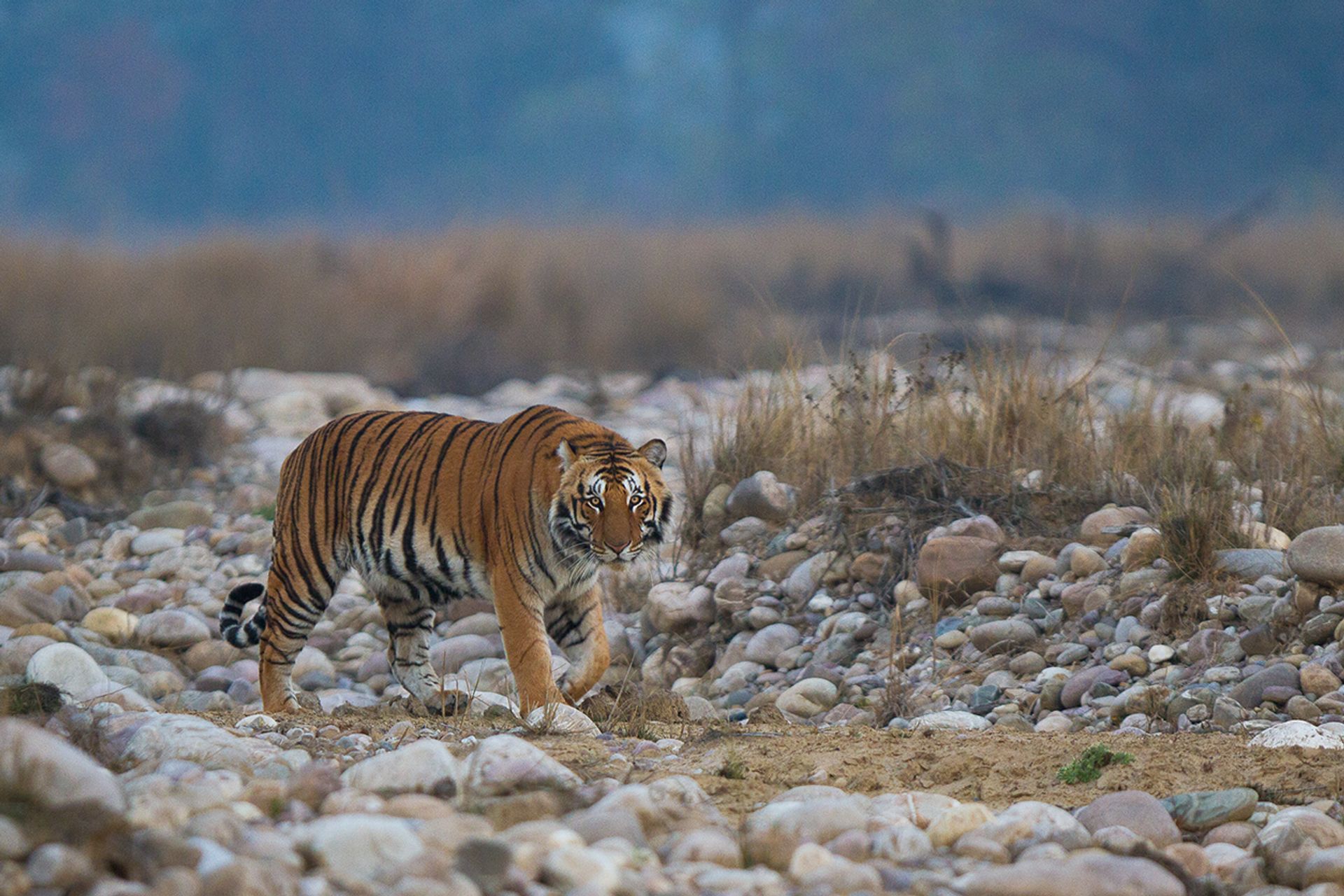
Ask most visitors why they're going to Corbett and the answer is tigers. Fair enough — the park holds one of the densest tiger populations in India, spread across sal forest, riverine grassland and the Patli Dun valley. But build your whole trip around the tiger and you'll miss most of what makes Corbett distinct from India's other big reserves.
Tigers, without the guarantee
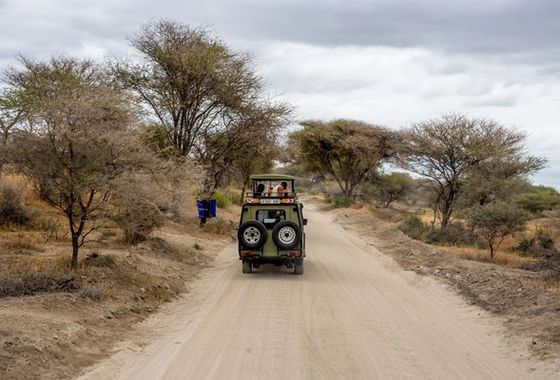
Corbett's tigers are genuinely numerous, but the park's terrain works against easy sightings compared with drier, more open reserves. Tall grass, dense sal cover and a much larger core area mean tracking is less predictable — a sighting here often comes from alarm calls and patience rather than a tiger sitting out in the open. Treat a Corbett tiger as a reward for a good drive, not the baseline expectation.
Elephants everywhere
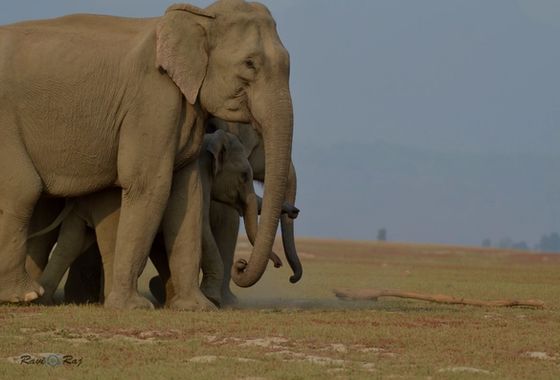
What Corbett does guarantee, more than almost anywhere else in India, is elephants. Wild herds move through the grasslands and forest edges year-round, and a morning drive without an elephant encounter is the exception rather than the rule. Watch for them at the chaurs around Dhikala especially — herds cross the open grassland to reach the river, often with calves in tow, and the sightings can run long and close.
The Ramganga: crocodiles, otters and a river that runs the show
The Ramganga isn't scenery — it's the park's backbone. Its channels and the reservoir it feeds host both of India's crocodile species: the mugger, a broad-snouted generalist that basks openly on sandbanks, and the far rarer gharial, a slender fish-eating specialist with the distinctive elongated snout, best looked for near quieter stretches and the reservoir margins. Smooth-coated otters work the same waters, and a still morning on the Ramganga at Durga Devi or along the Dhikala chaurs is one of the park's underrated experiences.
A birder's park
Corbett's bird list runs into the hundreds of species, from resident hornbills and eagles to winter migrants that arrive with the cool season. Dhela and Sitabani in particular have built reputations among birders specifically, separate from the tiger-focused zones. Our advice: bring binoculars even if you came for stripes — on a quiet drive, the birdlife is often the thing you end up talking about at dinner.
Where to see the Ramganga's wildlife for yourself
The Dhikala zone sits right along the Ramganga floodplain and is the most reliable place to see the river's elephant herds and tiger activity together in one drive. If you're planning your visit, our Corbett overview has everything on permits, seasons and what to expect.